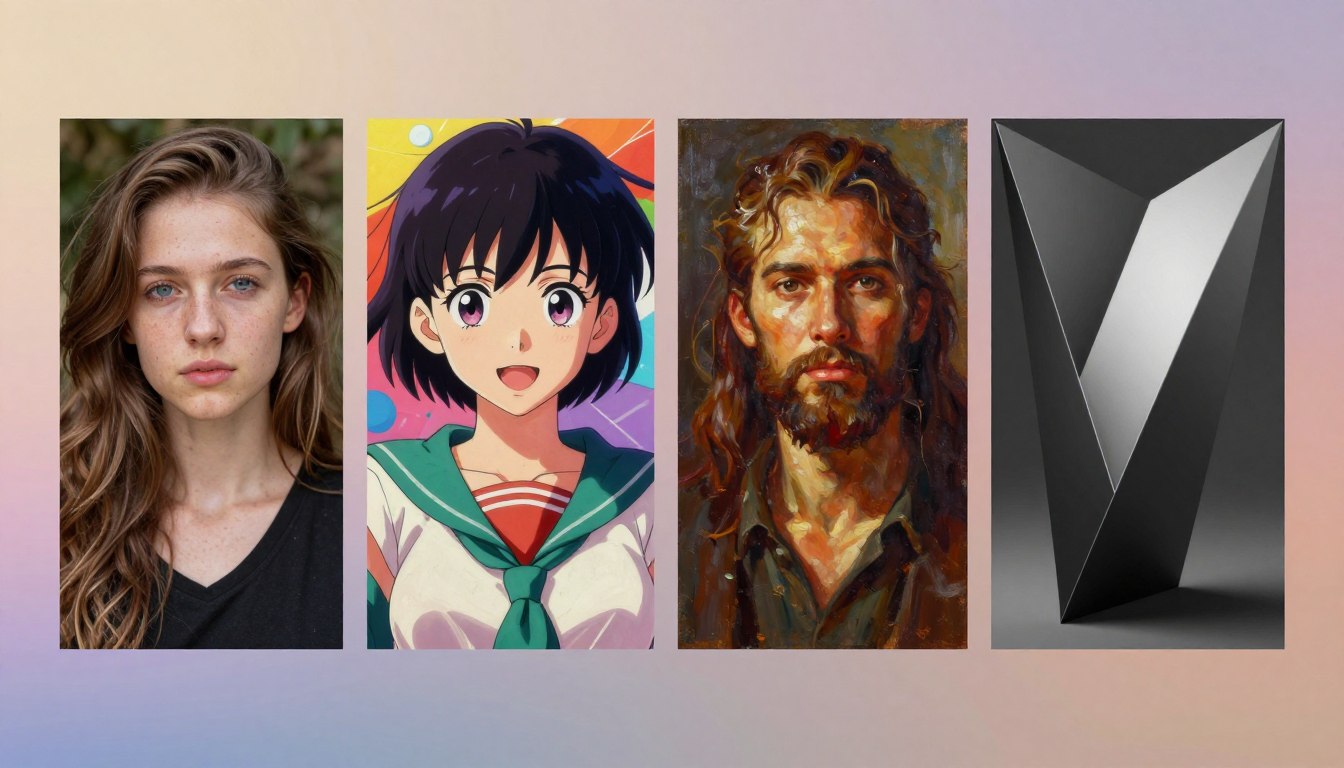

Ever wondered why some digital images seem so real while others feel like they were drawn by hand? The world of digital tools is huge, making it hard for creators to find their way.
Do you like the real look or the colorful feel of animation? Finding your own style is key. This guide will help you understand different styles to make your work pop.
By doing a deep ai porn style comparison, you can match your creative vision. Our createporn comparison gives you the basics to choose wisely for your next project.
Key Takeaways
- Understand the technical differences between photorealistic and stylized imagery.
- Learn how to select the right aesthetic for your specific creative goals.
- Discover the impact of lighting and texture on final generated results.
- Gain confidence in navigating complex generative software interfaces.
- Master the art of matching visual themes to your intended audience.
Understanding the Landscape of AI Porn Styles
To master AI content creation, you need to know the many visual styles out there. Today’s AI tools use big datasets and patterns to make high-quality images from your prompts. They help turn simple text into detailed, artistic visuals that meet your goals.
The Evolution of NSFW Content Generation
The world of digital creation has changed a lot in recent years. Before, making adult content took a lot of time and effort. Now, sophisticated AI-driven platforms can create stunning images in seconds from complex prompts.
This new tech brings a level of detail that was hard for one person to achieve before. You can try out different nsfw aesthetics easily, without needing years of art or design training. The software connects your ideas to the final image, getting better with each new piece of data.
Why Style Selection Matters for Your Creative Vision
Picking the right ai porn styles is key to keeping your visual identity strong. When you choose a style, you set the tone for your brand. This helps you attract and keep a dedicated audience who knows your work.
Also, matching your nsfw aesthetics with what your audience likes can boost engagement. Whether you go for the detailed look of 3D or the timeless feel of oil paintings, your choice affects how people feel about your content. Here’s a table to help you decide on your next project’s style.
| Style Category | Primary Visual Focus | Best Use Case |
|---|---|---|
| Photorealistic | Skin texture and lighting | High-fidelity, lifelike scenes |
| Anime/Manga | Cel-shading and bold lines | Stylized, expressive character art |
| Oil Painting | Brushstrokes and texture | Artistic, classic, or vintage looks |
| 3D Rendered | Smooth surfaces and depth | Modern, polished, and clean visuals |
Comprehensive AI Porn Style Comparison
Understanding AI-generated imagery is key. Whether you create or just use it, a detailed ai porn style comparison is crucial. It helps ensure your output meets your expectations. By studying how models respond to prompts, you can guess the results better.
Key Differences Between Photorealism and Stylized Art
Photorealism aims to mirror the real world with precision. It captures skin details, light effects, and body shapes accurately. On the other hand, stylized art, like anime, focuses on emotional impact and artistic flair over realism.
In a createporn comparison, stylized models often use bold features to express moods. They’re not like camera lenses. Instead, they’re digital canvases where artists control colors and lines.
Evaluating Texture, Lighting, and Anatomical Accuracy
Content quality relies on texture, lighting, and anatomy. Realistic models need to show skin pores, hair, and shadows for a real feel. Without these, images can feel off.
Stylized models approach these differently:
- Texture: Often smoothed for a clean look.
- Lighting: Uses bold contrasts instead of soft light.
- Anatomy: Can be altered for specific looks.
Comparing Visual Fidelity Across Platforms
Platforms vary in handling styles. For example, Candy.ai supports realistic and anime styles, letting you switch. A good createporn comparison checks how platforms handle style changes.
| Style Category | Primary Focus | Lighting Approach |
|---|---|---|
| Photorealistic | Lifelike Accuracy | Natural/Soft |
| Anime/Cel-Shaded | Emotional Impact | High Contrast |
| Oil Painting | Brushwork/Texture | Artistic/Dramatic |
Your choice depends on your goals. Use this ai porn style comparison to find the best tools for your needs. Always test different prompts to see how light and shadow are handled.
Mastering the Realistic Style
Creating realistic images with AI is a complex task. It requires using advanced tools to achieve high-quality results. Models like Juggernaut XI and XII are top choices because they accurately depict human anatomy and light.
Achieving Skin Texture and Natural Lighting
Creating lifelike images starts with the small details. Use specific words like “skin textures” and “high-resolution” to guide the AI. This helps it create images with real pores and skin variations.
Lighting is also key for realistic images. Natural lighting adds depth and realism. When crafting your prompt, consider these elements:
- Global Illumination: Describe ambient light sources.
- Subsurface Scattering: This makes skin look translucent.
- Depth of Field: A slight blur focuses on your subject.
Best Practices for Realistic Character Consistency
Keeping characters consistent is a challenge. Use stable models and refine your work. Keep your main prompt the same but tweak it slightly to maintain character features.
“True realism in digital art is not just about the pixels; it is about the soul of the subject and how light breathes life into the frame.”
Reference images or LoRA files can help lock in facial structures. This lets you try different poses without losing your character’s identity. Consistency comes with practice and patience.
Common Pitfalls in Realistic AI Generation
The uncanny valley effect can occur. It makes images almost human but slightly off. Always check hands, teeth, and eyes before finishing your work.
Another mistake is over-processing images. Too many filters can ruin the skin textures. Keep your settings balanced for realistic results.
Exploring the Anime and Manga Aesthetic
Anime and manga offer a unique way to create beyond what’s real. They use special colors, lines, and character sizes that differ from photos. This style makes your work feel vibrant and very stylized.
Defining the Core Elements of Anime NSFW Art
This style breaks away from real life. It focuses on clean line art and bright colors. These elements make your work stand out and look amazing.
It often features big, expressive eyes and simple faces. These help tell stories in a unique way. When you get these basics right, your characters will feel real and unique.
Selecting the Right Models for Cel-Shaded Looks
To get the cel-shaded look, use AI models made for manga. Regular models can’t match the flat, high-contrast style needed. The right model ensures your work has sharp edges and bright colors.
Look for models that are clear and have little noise. These tools are made for 2D art. They help you avoid extra work and get better results.
Balancing Exaggerated Features with Artistic Intent
It’s hard to know when to make characters bigger or smaller. While big features are key, balance is also important. You want your characters to look planned, not weird.
Here’s a table to help you mix your creative ideas with the right tech:
| Feature | Subtle Approach | High Exaggeration |
|---|---|---|
| Eye Size | Semi-realistic proportions | Classic large anime eyes |
| Line Weight | Thin, delicate strokes | Bold, thick outlines |
| Color Palette | Muted, natural tones | Vibrant, saturated hues |
| Shading | Soft, blended shadows | Hard, cel-shaded edges |
Think about your audience when adjusting these things. A good mix of fantasy and reality will make your work pop in a busy online world.
The Artistic Flair of Oil Painting Styles
Mastering oil painting styles in AI art can make your work look like it’s from a gallery. This style adds a timeless, textured quality that makes your NSFW content sophisticated. By making bold artistic choices, you turn digital images into fine art classics.
Capturing Brushstrokes and Texture in Digital Media
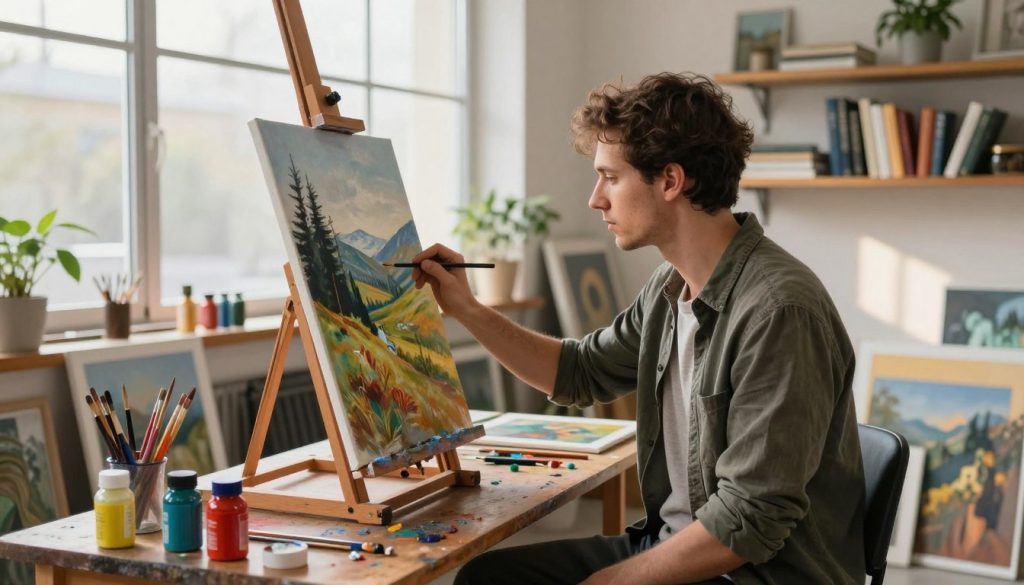
To capture the feel of paint on canvas, focus on the medium’s tactile nature. Models like Juggernaut XII are great at this. When you ask for this style, look for specific visual details that define it.
- Request visible, thick impasto brushstrokes to create depth.
- Specify a canvas texture overlay to ground the image in reality.
- Use lighting terms that mimic natural studio light hitting a textured surface.
When to Choose Oil Styles Over Digital Renders
Opt for oil painting style when you aim for a certain mood or historical feel. Oil styles bring a human touch that digital renders lack. This is perfect for projects that want to avoid the “perfect” look of modern 3D software.
Use this style for nostalgia or artistic gravity. It’s great for character portraits needing drama or mood. The style’s imperfections make the art feel more real and grounded.
Adjusting Color Palettes for Classic Art Effects
Getting the oil painting effect right is all about color. Modern digital art often uses bright, neon-like colors, but classic art prefers rich, earthy tones and soft gradients. Adjust your prompts for a muted or warm color palette to get that museum-quality look.
Include terms like “chiaroscuro,” “warm underpainting,” or “muted earth tones” in your prompts. This tells the AI you’re aiming for a traditional look, not a modern digital one. By balancing these elements, you create a piece that’s rich in artistic depth.
Diving into 3D Rendered NSFW Content
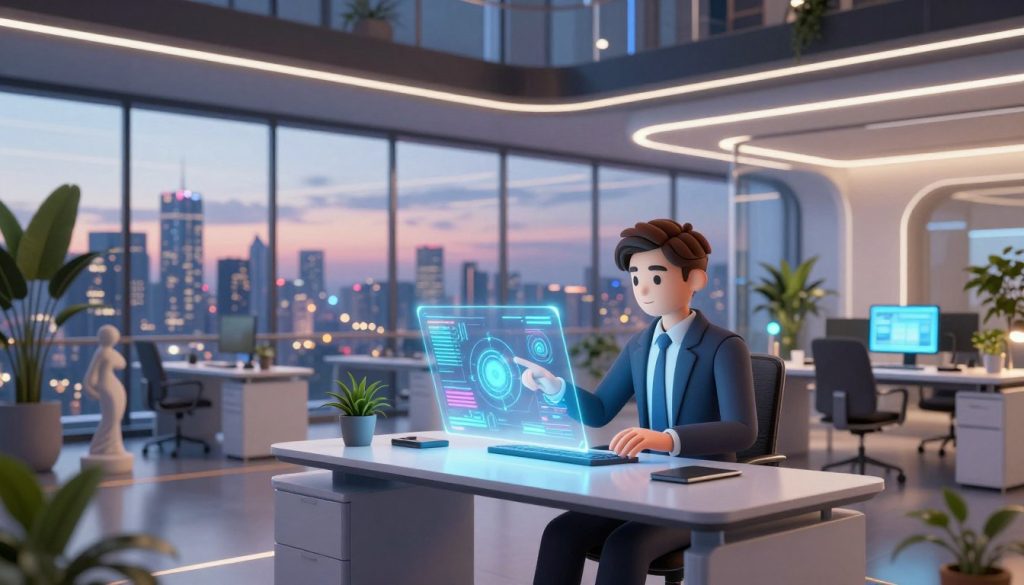
The world of 3D generation is a unique playground. It offers smooth surfaces and complex geometry. Unlike traditional art, 3D rendering lets you create impossible shapes and control environments perfectly. This style is sought after for its clean, professional look.
The Appeal of Smooth 3D Surfaces and Lighting
Creators love this aesthetic for its unmatched precision in light and shadow. You can control virtual light sources to highlight textures or create dramatic moods. The result is a polished look that feels both futuristic and real.
3D models also offer unmatched consistency. You can rotate subjects or change camera angles without losing detail. This makes it perfect for projects needing high detail and accuracy.
Tools and Techniques for High-Quality 3D Output
Modern platforms make it easy to create professional assets without years of experience. For example, Photo AI generates high-quality 3D models for 20 credits per generation. These tools use advanced algorithms to handle rendering, letting you focus on your vision.
To get the best results, try different prompt structures that highlight material properties. Use terms like “ray-traced,” “octane render,” or “subsurface scattering” to improve realism. These keywords help the AI focus on light interaction with skin and fabric, making your output more lifelike.
Optimizing 3D Models for Better NSFW Results
To achieve the perfect look, pay attention to surface materials and lighting. Aim for a balance between anatomical realism and the stylized smoothness of 3D art. If skin looks too plastic, adjust lighting to be softer or more diffused.
Remember, the quality of your output depends on the specificity of your instructions. Refine your prompts to include details about the environment and light temperature. Consistent practice will help you master 3D generation.
Step-by-Step Guide to Selecting Your Preferred Style
Finding the right look for your content is a mix of what you like and what you want to say. You need to match your taste with the message you want to share. This way, every piece of content will reflect your vision.
Assessing Your Personal Aesthetic Preferences
First, think about what visuals you like. Do you like the sharp, clean lines of modern 3D, or the soft, painterly textures of traditional oil painting? Look at galleries to see what catches your eye.
Think about the mood you want to create. Dark, moody scenes might need realistic or oil styles. But, if you’re sharing something light, anime could be perfect. Your taste sets the tone for your brand.
Matching Style to Your Specific Content Goals
Choose a style that supports your project’s purpose. For relatable content, photorealism works best. It connects digital art with real feelings, making your work feel real.
For fantasy or stylized content, 3D or anime might be better. These styles offer more freedom for creativity and exaggeration. Ask if the style helps tell your story or gets in the way.
Iterative Testing to Find Your Signature Look
Discovering your unique style is ongoing. Try different styles and settings to see what works. For a custom model, use DreamBooth with 5 to 20 quality images.
This method lets you control your model’s look. Don’t hesitate to try again with what works. Here’s a quick guide to help choose based on your goals.
| Style Category | Best For | Technical Effort | Visual Impact |
|---|---|---|---|
| Photorealism | Personal Branding | High | Authentic |
| Anime/Manga | Character Design | Medium | Expressive |
| Oil Painting | Artistic Projects | Medium | Textured |
| 3D Render | Smooth Environments | High | Polished |
Technical Requirements for Different AI Aesthetics
Your computer’s performance is key for creating nsfw aesthetics. The complexity of the process often means you need specific hardware for top-notch results.
For hyper-realistic textures or smooth 3D surfaces, your computer must handle tough tasks. If it can’t handle basic renders, you might need to upgrade or use cloud services.
Hardware Considerations for High-Resolution Generation
Creating high-resolution images needs a lot of graphical power. A graphics card with at least 24GB of VRAM, like an NVIDIA RTX 3090, is best.
This hardware ensures your system can handle complex nsfw aesthetics smoothly. Without it, you might face long waits or have to lower your resolution.
Cloud-based options are good if you can’t upgrade your computer. They let you use powerful GPUs online, giving you the speed you need.
Software and Model Compatibility
Choosing the right software is crucial for creative control. Many AI tools need specific setups to work well with nsfw aesthetics.
Make sure your models work with your software to avoid problems. Keeping your drivers up to date helps ensure smooth performance.
Always check your model’s documentation for special setup needs. Matching your software and hardware well makes your creative process better.
Customizing Prompts for Consistent Results
Learning to craft prompts is key to bringing your creative ideas to life. With tools like Juggernaut models, you can get high-quality images. But, remember, longer sentences can lead to less accuracy. So, keep your prompts short and clear to guide the model.
Structuring Prompts for Realistic Detail
To get photorealistic images, focus on the details. Start with the lighting, like “soft studio lighting” or “natural golden hour glow.” Then, describe the skin, such as “visible pores” or “subtle skin imperfections,” for a more realistic look.
Breaking your prompt into parts helps the AI understand better. Group your subject, setting, and technical details. This way, you avoid misunderstandings and keep the style consistent.
Using Style-Specific Keywords for Anime and Oil
Each style needs its own set of words to get the right look. For anime, use “cel-shaded,” “vibrant line art,” or “studio Ghibli inspired.” For oil painting, try “impasto brushstrokes,” “canvas texture,” and “rich color blending.”
Refining Prompts to Avoid Style Bleed
Style bleed happens when one style looks like another. To avoid this, use negative prompts. For example, if you want an oil painting, add “photorealistic, 3D render, digital sharp” to your list. This keeps the image true to your vision.
| Style Category | Primary Keywords | Negative Constraints | Lighting Focus |
|---|---|---|---|
| Realistic | 8k, raw photo, skin pores | Cartoon, anime, flat | Natural, cinematic |
| Anime | Cel-shaded, vibrant, line art | Realistic, 3d, grainy | Flat, bright |
| Oil Painting | Impasto, canvas, brushwork | Digital, smooth, vector | Dramatic, warm |
| 3D Render | Octane render, smooth, glossy | Sketch, painting, rough | Global illumination |
By improving your prompts, you control your creative output. Try different keywords to find the right mix for your project. With practice, your AI image generation will get better and better.
Troubleshooting Common Style Generation Issues
Even top AI models sometimes need a little tweak. When exploring ai porn styles, you might hit technical bumps. Knowing how to fix these problems keeps your work looking great.
Fixing Anatomical Distortions in Realistic Styles
Photorealistic models often get hands and eyes wrong. This is because they find it hard to get limbs and faces right.
To fix these issues, use negative prompts smartly. For example, adding “bad hands” or “extra fingers” to your prompts can help. Here are some tips for better results:
- Use specific negative embeddings to filter out common anatomical flaws.
- Adjust your sampling steps to allow the model more time to refine fine details.
- Inpaint specific areas, such as hands or eyes, to correct errors without regenerating the entire image.
Correcting Lighting Inconsistencies in 3D Renders
Lighting mistakes can make 3D images look flat. If the light in your model doesn’t match the scene, it loses depth and realism.
To fix this, adjust your prompts to include specific lighting types. Mentioning “rim lighting,” “soft global illumination,” or “cinematic studio lighting” helps. Make sure your ai porn styles can handle these lighting requests.
Managing Style Overlap and Model Conflicts
Blending two styles can create a messy look. This often happens when using different LoRAs or model checkpoints.
To avoid this, keep your prompts clear and focus on key style words first. If styles mix, try lowering the impact of certain model triggers. This way, your ai porn styles stay clear and on purpose.
Conclusion
Choosing the right AI style is a mix of knowing tech and feeling creative. You now have the tools to confidently explore digital art creation.
Your path to making great content starts with trying new things. Use Stable Diffusion or Midjourney to see how different styles change your work. Every tweak to your prompt gets you closer to your dream.
Getting better takes time and practice. Keep working on lighting, texture, and details. Your hard work will make your art stand out.
Don’t be afraid to share your work and get feedback. Talk to other artists to learn from their experiences. This will help you grow and try new things every day.
Keep up with new tools and updates. Today’s technology opens up endless creative possibilities. Start your next project with a clear idea and watch it take shape.
FAQ
What are the most popular ai porn styles used by professional creators?
Popular styles include Photorealism for real looks, Anime for its bright colors, and 3D Renders for smooth images. The best style depends on your goals and audience.
How do I choose between different nsfw aesthetics for my project?
Pick a style based on your content’s mood. Realism is great for intimacy, while oil painting is perfect for fantasy. Try different models to find the right fit.
What hardware is required to generate high-resolution AI content?
You need a strong NVIDIA GeForce RTX card for top-quality images. High-resolution work requires at least 12GB of VRAM for smooth rendering.
How can I fix common anatomical errors like "spaghetti fingers"?
Use negative prompts to avoid errors. Tell the AI what not to include. Tools like Inpainting can also fix specific areas without redoing the whole image.
Can I maintain the same character across different ai porn styles?
Yes, use a fixed seed or train a custom LoRA for your character. This keeps their look consistent across different styles.
What is "style bleed" and how do I prevent it?
Style bleed happens when one style’s features appear in another. Use specific models and weighted keywords in your prompts to avoid this.