

Ever thought about who owns the digital media you make with today’s tools? As the world of digital content grows, knowing about ai porn copyright is key for creators.
It’s not just about being creative. You also need to grasp the createporn tos. This ensures your work stays safe and follows platform rules.
Many people miss the details on nsfw rights when using advanced software. Whether you’re just starting out or are a pro, knowing your rights is crucial for success.
This guide will simplify the rules about owning digital assets. We aim to help you understand your duties and safeguard your creations in this fast-paced digital world.
Key Takeaways
- Understand the basic legal framework for generated adult media.
- Review platform terms of service to ensure account safety.
- Learn how to identify your ownership status over digital assets.
- Discover the importance of age verification and compliance.
- Protect your creative output by staying informed on current laws.
Understanding the Basics of AI Porn Copyright
Exploring AI-generated adult content means diving into complex legal waters. AI porn copyright is a field that’s always changing. First, make sure you follow rules like those from Kling AI, which require users to be at least 13 or the local minimum age.
The Current Legal Status of AI-Generated Content in the US
In the US, the Copyright Office is strict about works made without human touch. The law usually doesn’t protect content made entirely by machines. This means you might not own exclusive ownership of files made just by algorithms.
The law looks at “authorship.” Since AI works on patterns, not human intent, it’s not seen as a legal author. So, your ai porn copyright might not be accepted if you can’t show you guided the machine.
Distinguishing Between Human Authorship and Machine Generation
To safeguard your work, you need to show the difference between your input and the machine’s output. Human authorship means making choices that shape the content’s look. If you just give a simple prompt, the law might see it as a request, not a creative act.
The table below shows how human-made content and AI outputs differ in legal protection:
| Feature | Human-Made Content | AI-Generated Content |
|---|---|---|
| Authorship | Human creator | Machine algorithm |
| Copyright Eligibility | Fully protected | Limited or none |
| Creative Control | High | Low to Moderate |
| Legal Status | Established | Evolving |
Knowing these differences helps you align your creative process with legal standards. Always keep records of your work to show your part in the final product. This is key for protecting your ai porn copyright assets.
Analyzing the CreatePorn Terms of Service
Before you upload your next creation, it’s important to know the rules. Many users ignore the legal details, but the createporn tos is key. It outlines your deal with the platform. Reading it carefully helps you keep your creative freedom.
Reviewing Ownership Clauses in CreatePorn Agreements
Ownership clauses are crucial in any agreement. Look for language about whether the platform owns your files. For example, Kling AI says content is yours to keep.
Some clauses mean you give up owning your work once you publish it. Check if the createporn tos lets you keep your rights. If it’s unclear, be very careful.
Identifying User Rights Versus Platform Rights
It’s important to balance your freedom with the platform’s needs. You might still use your images, but the platform can use them too. This is key to knowing your control over your work.
Know the difference between your rights and the platform’s. A good createporn tos will show these lines clearly. Choose platforms that are open about your intellectual property and privacy.
Step-by-Step Guide to Determining Your Ownership Rights
To protect your creative work, follow a clear path. Start by understanding the rules of the platform and your role in creating content. This way, you keep your work under your control.
Reviewing the Specific Terms of Service
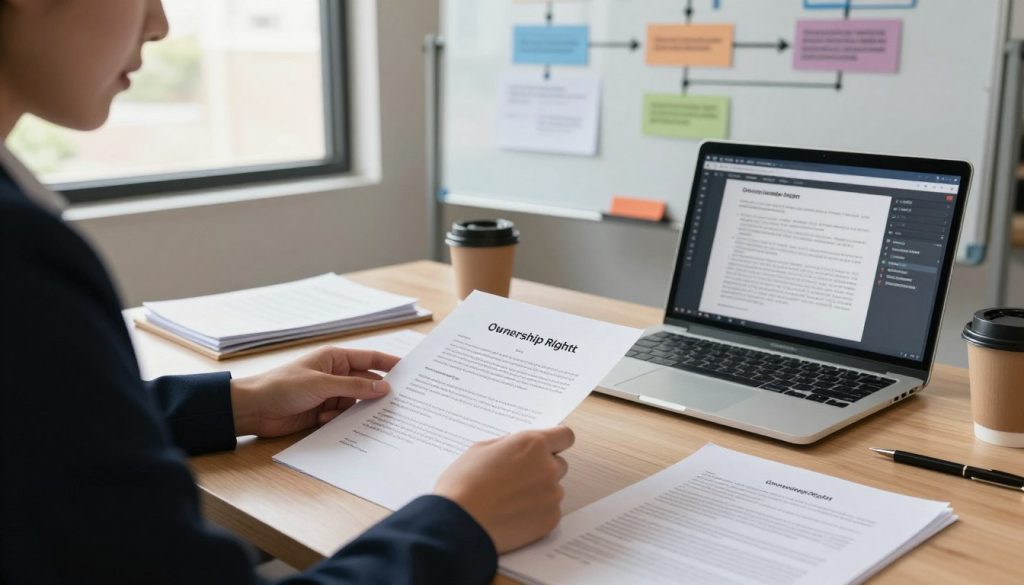
Understanding your rights starts with the platform’s rules. Read the createporn tos carefully. It will tell you who owns the rights to your work.
Look out for rules on age and eligibility. For example, Invideo requires users to be 13 or older. Not following these rules can lead to account problems and legal issues.
Assessing the Level of Human Input
Legal standards focus on how much you control the final product. Just giving a basic prompt might not be enough. Show how you edited or refined the output to prove your involvement.
“The threshold for human authorship remains a central debate in intellectual property law, requiring creators to prove that the machine acted as a tool rather than the primary creator.”
To boost your claim, consider these steps:
- Iterative prompting to reach a specific vision.
- Manual post-processing or editing of the generated images.
- Combining multiple AI outputs into a unique, original composition.
Checking for Third-Party Intellectual Property Infringement
Even if you follow the createporn tos, you’re still responsible for your content. Make sure it doesn’t use protected trademarks, copyrights, or real people’s likenesses without permission. This can cause your work to be removed or lead to legal trouble.
Always check if your work is original. A clean portfolio is key in the ai porn copyright world. By avoiding conflicts, you protect your account and reputation.
Navigating NSFW Rights and Ethical Considerations
It’s crucial to know the legal and moral limits of AI-generated adult media. Nsfw rights are more than just platform rules. Creating ethically means respecting others’ dignity and freedom.
Understanding Consent and Personality Rights
Protecting personality rights is key in your creative work. Never make content with someone’s likeness without their okay. Using someone’s image without permission can cause big legal problems.
Consent is not a suggestion; it is a fundamental requirement. Even if you think your work changes the person’s image, using their identity without permission is a big no-no. Always make sure your subjects agree before starting any project.
The Intersection of Copyright and Deepfake Legislation
The rules for AI-generated media are changing fast. Laws about deepfakes and copyright work together to protect people from unwanted images. These laws affect how you handle nsfw rights and your creative work.
Keep up with laws about digital copies. While copyright deals with original ideas, these new laws protect people’s images. It’s important to balance these laws to keep your work legal and ethical.
| Legal Concept | Primary Focus | Creator Responsibility |
|---|---|---|
| Copyright Law | Originality of the work | Ensure no third-party IP theft |
| Right of Publicity | Control over one’s likeness | Obtain written consent |
| Deepfake Statutes | Prevention of non-consensual media | Verify identity and permission |
Following these guidelines helps keep your reputation safe and lets you keep creating. Respecting nsfw rights shows you’re a professional and responsible creator in today’s digital world.
How to Protect Your AI-Generated Assets
Protecting your creative work in today’s automated world is more than just a simple step. The laws around ai porn copyright are still unclear. So, you need to take steps to show you were involved.
By keeping a record of your work, you build a strong case for your rights.
Best Practices for Documenting Your Creative Process
To show you created something, keep a detailed log of your work. Save your prompt iterations and the settings you used. This shows you had a big role in the final product.
Also, keep a version history of your files. Organize your folders with dated notes. Consistent documentation is key to proving your work if someone tries to use it without permission.
Registering AI-Assisted Works with the US Copyright Office
The US Copyright Office has strict rules for machine-made content. They usually don’t protect works made only by machines. But, you might be able to register works with both human and AI parts.
When you apply for registration, be open about the AI’s role. Say which parts you made and which were AI-generated. Understanding ai porn copyright and how to register it is crucial for a successful application.
The Role of Prompt Engineering in Copyright Claims
If you think making the perfect prompt means you own your work, you might be wrong. Many creators believe that’s enough to protect their digital stuff. But, the mix of human ideas and AI output makes ai porn copyright laws tricky.
Can Complex Prompts Establish Authorship?
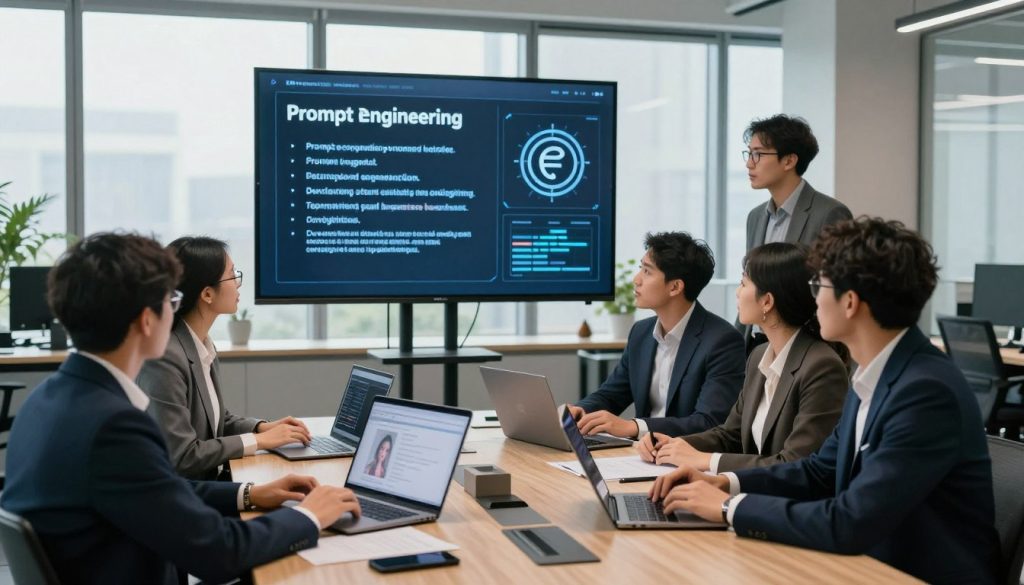
Prompt engineering is seen as a form of art. You might spend hours tweaking keywords and styles. This process feels deeply personal, but the law wants more.
To own your work, you must show you controlled the final product. Courts see prompts as just suggestions, not the real work. They look at things like:
- How much control you had over the final look.
- If you could change the AI’s work.
- How much the AI acted on its own.
Limitations of Prompt-Based Ownership Under Current Law
The US Copyright Office is clear: AI works need human touch to be protected. Relying only on prompts for ai porn copyright often fails in court.
“The copyright law protects only those components of a work that are products of human creativity.”
The law doesn’t see prompts as protectable like paintings or photos. Strategic documentation of your process is key. But, it can’t replace the need for human touch. To protect your work, add unique human elements to your final product.
Licensing Your CreatePorn Creations
Licensing your work lets you keep control while making money from your digital portfolio. You set clear rules to make sure your work is used right. The createporn tos is a good start, but making your own agreements can really boost your earnings.
Creating Commercial Use Agreements for Your Content
When you license your work, you need to be clear about how it can be used. A good agreement should cover how long, where, and in what media your content can be used. Many platforms, like the createporn tos, give users a license to make money from their work forever.
Make your own contracts to protect yourself. Make sure your agreements say if the buyer can change your work. Being clear helps avoid problems and keeps your reputation strong.
Understanding Exclusive Versus Non-Exclusive Licensing
Deciding between exclusive and non-exclusive licenses is key. An exclusive license means only one person can use your work, which might cost more. A non-exclusive license lets you sell the same thing to many people, which can make more money over time.
Looking at the createporn tos can show you how platforms handle these rights. Use the table below to pick the best option for your business.
| License Type | Control Level | Revenue Potential | Best For |
|---|---|---|---|
| Exclusive | High | High (One-time) | Premium, custom assets |
| Non-Exclusive | Low | High (Volume) | Stock or general assets |
| Limited | Medium | Moderate | Specific time-bound projects |
Your choice depends on what you want for your asset. For something unique, exclusivity might be best. For reaching more people, non-exclusive might be better.
Common Pitfalls in AI Porn Copyright Claims
Understanding the legal world of AI-generated adult content is key. Many creators accidentally start ai porn copyright disputes by not checking their inputs well. Knowing these risks helps keep your platform safe and avoids legal trouble.
Avoiding Copyright Infringement of Existing Characters
One big mistake is using famous characters without permission. Even if you create the image, using a well-known character can cause immediate takedown notices. Owners of these characters are very protective, especially in the adult industry.
Don’t use prompts that name or describe copyrighted characters. Stick to generic descriptions to keep your work original. Protecting your account means avoiding any content seen as a copy of a protected franchise.
The Risks of Using Public Domain Versus Protected Material
Knowing the difference between public domain and protected material is crucial. Public domain works are safe to use because their copyrights have expired. But, thinking everything online is free is a big ai porn copyright mistake.
Always check if any reference images or style models you use are licensed. Using protected material without permission can lead to big penalties, like permanent account bans. Due diligence is your best way to avoid copyright claims in the AI-generated media world.
Managing Disputes and Platform Takedowns
Being a creator online is more than just making art. You need to know your nsfw rights well. If a platform takes down your work or sends you a legal notice, stay calm and professional. Knowing the rules helps keep your work safe and your online space intact.
Responding to DMCA Notices on NSFW Platforms
Getting a Digital Millennium Copyright Act (DMCA) notice can be scary. But it’s a common part of online life. You must answer quickly to show you respect intellectual property. Always check if the sender is real before acting or sharing personal info.
If you think a claim is wrong, you can file a counter-notice. This says the content was taken down by mistake. Make sure your response is clear, short, and includes all legal papers to prove you own the work.
Protecting Your Account from False Copyright Claims
False claims can harm your account and reputation. Remember, platforms like Invideo can close your account for policy violations, including pornographic content. Following these rules closely helps avoid account loss.
To protect your nsfw rights, keep records of your creative process and original work. These records are your proof if someone tries to claim your work. Managing your content library well is the best way to keep your account safe from trouble.
Future Trends in AI Copyright Legislation
The laws around AI-generated content are changing fast. As tech gets better, lawmakers and judges are figuring out how old copyright rules apply to AI stuff. Keep an eye on these changes, as they will affect how you own and make money from your digital work.
Anticipating Changes in US Copyright Law
There’s talk in Washington about new laws that might make it clearer who owns AI-made content. They’re looking at how much control a person has over an AI tool. If you use these tools, you might need to keep better records soon.
Some big areas are likely to get new rules, including:
- Clearer definitions of what makes human input “transformative.”
- New categories for registering AI-helped creative works.
- Updated rules for using copyrighted data in AI training.
How Future Court Rulings May Impact Your Ownership
Courts will also play a big part in shaping your nsfw rights. They’re looking at cases that test the limits of AI-made stuff. These decisions will set important precedents that could either help or hurt your rights as a creator.
Keep up with these legal changes to protect your work. If a court says some AI outputs aren’t creative enough, your current projects might face issues. Staying informed helps you adjust your creative approach to keep your long-term ownership and nsfw rights safe in a changing market.
Conclusion
Understanding the legal world of digital content is key. You now know how to check your work against ai porn copyright rules. Protecting your creative work starts with knowing the laws about digital assets.
It’s important to regularly check the CreatePorn tos. These rules tell you how to handle your content and deal with the platform. Keeping up with these terms helps you keep your work safe.
Your rights in the nsfw world change with new laws. Watch for updates in the industry to keep your work legal. Taking care of your files and documents is a strong defense against legal issues.
Share your knowledge with others about these changing rules. Your focus on legal matters helps everyone in the creator world. Use what you’ve learned to build a lasting and safe career in the digital world.
FAQ
Does the US Copyright Office recognize AI-generated adult content as protectable?
The US Copyright Office looks at human-made works differently than AI-made ones. To get copyright for AI porn, you need to show you had a big role in its creation. If an AI made it all by itself, without your input, it might not get copyright protection.
What are the critical ownership clauses I should look for in the createporn tos?
Look closely at the createporn tos for who owns the rights to what you make. Many places, like Kling AI, say the content you upload isn’t yours. They keep the right to use it however they want.
How do age-related compliance requirements affect my nsfw rights?
Keeping within the law is key to protecting your nsfw rights. Sites like Invideo and Kling AI have rules for users under 18. Breaking these rules can get your account shut down and you lose your rights to your work.
Can I establish authorship through complex prompt engineering?
Prompt engineering is a skill, but the law might not see it as enough to claim authorship. To strengthen your claim, document your creative process and any human touches that make the work unique.
What is the difference between exclusive and non-exclusive licensing for my AI creations?
An exclusive license lets one person use your work, while a non-exclusive license lets many. Invideo’s model lets users make money from their work, which is important for your agreements.
How should I handle a DMCA notice on a platform like Invideo?
If you get a DMCA notice, respond with proof of your work’s creation. Remember, Invideo can shut down accounts that break their rules, especially for porn or copyright infringement.
What are the risks of using existing characters in my AI-generated porn?
Using AI for content based on protected characters can lead to legal trouble. To avoid this, create original characters or use public domain material. This way, you’re not breaking the law or the platform’s rules.
Will future legislation change how ai porn copyright is managed?
The law is changing fast. New laws and court decisions will shape how we handle AI-generated content. Keep up with these changes to protect your work as the rules evolve.